What is physical literacy? Physical literacy, as defined by Mandigo et al. (2012), “is the ability to move with competence and confidence in a wide variety of physical activities in multiple environments that benefit the health development of the whole person”. The concept of physical literacy encompasses physical skills, confidence and love of movement needed for a healthful and active life. Without physical activity, optimal wellness will be affected.
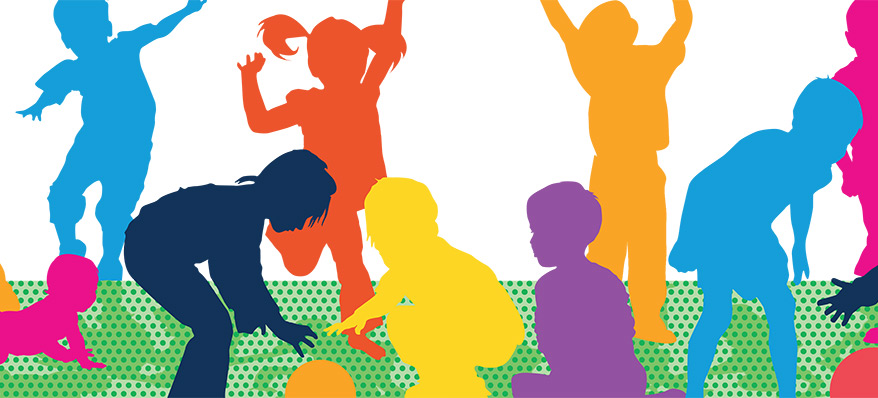
How do you develop physically literate individual?
To become physically literate, individuals need to develop fundamental skills such as locomotor including walking, running and hopping; non-locomotor including balancing, turning and twisting; and manipulative skills including throwing, catching, and kicking. These skills are essential specially in developing motor patterns. Proper motor patterns helps us prevent injuries that occur when we are not performing a movement properly. Mitchell & Walton-Fisette (2016) noted that individuals should also be proficient in the movement experience that can lead to physical competence and confidence as well as the content knowledge to be an informed consumer of health, fitness, and activity related situations throughout their lives. Thus, by developing, practicing, and mastering these skills overtime, individuals will develop confidence in their abilities, find participation more enjoyable, and more likely to participate in physical activity in the future.
As a physical education teacher, I based my lessons on the National Standards for producing physically literate individuals by setting students on the road to enjoying a lifetime of healthful physical activity. Learning the fundamental skills now to become physically literate will help them continue to lead a healthy and physically active lifestyle as an adult.
However, students will not achieve their total health if there is no support among parents and the community. Thus, developing physical literacy is a shared responsibility between schools, family, and the community. It is imperative that teachers, parents, and the community work together to provide the health and wellness needs of students which will result to academic success, stronger families, and healthier communities.
Benefits of Physical Literacy
Numerous studies revealed that physical activities and fitness can benefit both health and academic performance on youths. Evidence showed that regular participation in physical activity and higher levels of physical fitness have been linked to improved academic performance and brain functions such as:
- Improved attention and memory
- Improved aerobic fitness
- Better mood
- Improved social skills
- Improved self-esteem
- Increased energy
- Improved overall well-being
Likewise, the Centers for Disease Control and Prevention (2010) reviewed 43 studies of the connection between physical activity and academic performance and found that physical activity was positively related to measures of academic success, schoolroom behaviors, cognitive skills, and attitudes.
Barriers of Physical Literacy
Unfortunately, more youths and adults tend to rely on screen time rather than physical activities that resulted to an all-time low of physical literacy in the U.S. The World Health Organization recommends no more than one hour of screen time a day in kids, as too much screen time can have adverse effects on both development and overall health. Recent guidelines also advise against prolonged sitting in all age groups, as too much sedentary time increases health risks like obesity and heart ailment. To make matters worse, the time for physical education have been either decreased or eliminated in favor of core subjects. In a study by Trost & Van Der Mars (2009) on the belief that time spent in physical education will take away from time spent in the classroom and consequently would have an adverse effect on academic performance, they concluded that lessening or removing the time allocated for physical education in favor of core subjects does not lead to enhanced nor impede academic success. Rather, it was found out that increasing the amount of time in doing physical activities results to higher levels of school success.
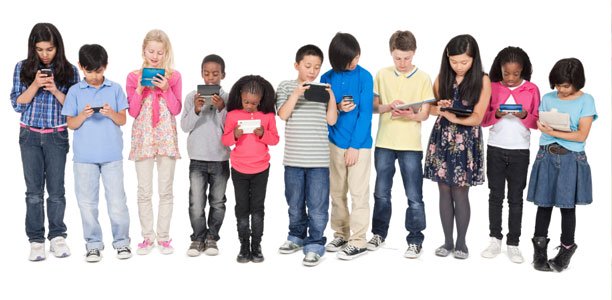
Reducing both screen time and inactive time in this day and age can be a challenge. However, specialists are optimistic that with future efforts, we can help reverse current trend.
Best Practices
There are many ways that you can use to support your child (and, in many cases, your own) on their physical literacy journey:
- Be a role model – Lead by example. Your child will watch and learn from what they see you do and practice.
- Do physical activities together – Create opportunities to be active or play as a family.
- Expose them to various physical activities – Sports offer a multitude of benefits for youths and help provide the physical activity they need to grow up healthy.
- Encouragement is the key – Regardless of you child’s rate of development, encouragement will go along way in their physical literacy journey.
- Safe space to play – Children need a safe space to be active and to shape their skills.
- Emphasize fun – Let’s not forget that physical activities and sports are just basically fun.
- Begin slow and work yourself up – Start with the basic skills and slowly but surely work with your child’s level of development.
- Be an advocate – Converse with your child’s teachers about their plans for developing and encouraging physically literate students as well advocate to your community for more parks, alleys and spaces to be active.
Conclusion
Physical literacy is the development of range of movements including locomotor, non-locomotor, and manipulative skills. These skills give individual the tools they need in order to engage in health-enhancing physical activity for life.
References
Centers for Disease Control and Prevention. (2010). The association between school-based physical activity, including physical education, and academic performance. Atlanta: U.S. Department of Health and Human Services.
Mandigo, J., Francis, N., Lodewyk, K., Lopez, R. (2012). Physical literacy for educators. Physical Education and Health Journal. 75(3), 27-30.
Mitchell, S. & Walton-Fisette, J. (2016). The Essentials of Teaching Physical Education. Curriculum, Instruction, and Assessment. SHAPE America – Society of Health and Physical Educators. Human Kinetics
Trost, S. & van der Mars, H. (2009). Why we should not cut P.E. Educational Leadership. 67(4), 60-65.
World Health Education. (2019). To grow up healthy, children need to sit less and play more. Retrieved from: https://www.who.int.
 R. Urbiztondo's Fitness Blog